
 EN
EN


Have you ever had this experience?
In summer, the area near your window feels too hot to get close to, and even with the AC set low, you still feel the sun beating down. In winter, sitting by the window with it closed, you still feel a draft of cold air seeping in.
The problem might not be the window — it might be the curtains.
A good curtain does more than just block light and decorate — it can also help you save on energy bills: keeping heat out in summer and retaining warmth in winter.
Today, let’s talk about how curtains actually achieve this “cool in summer, warm in winter” effect, and how to choose them without making a mistake.
I. How Can Curtains Provide Thermal Insulation?
First, understand the basic principle: heat is transferred in three ways — conduction, convection, and radiation.
1)Conduction: Heat passes through solid materials (e.g., window glass bringing outside heat inside).
2)Convection: Air movement carries heat away or brings it in (e.g., drafts through window gaps).
3)Radiation: Direct heat from sunlight.
4)Curtains provide thermal insulation by blocking radiation, adding air layers, and reducing convection.
Main Technologies:
|
Technology Type |
Principle |
Common Examples |
|
Heavy Weave |
High fabric weight and density slows heat conduction |
Velvet, high-density polyester |
|
Multi-Layer Structure |
Creates trapped air layers between layers, hindering heat transfer |
Quilted curtains, cellular shades, three-layer woven physical blackout fabric |
|
Reflective Technology |
Light-colored fabrics reflect solar radiation |
Light-colored physical blackout fabric, external roller blinds |
|
Cellular Structure |
Hexagonal air pockets trap air, excellent insulation |
Cellular shades (honeycomb blinds) |
II. How Do Curtains Help You Save Money in Different Seasons?
Summer: Reflection + Blocking
The biggest heat source in summer is solar radiation. Sunlight streaming through the window can raise indoor temperatures by 2–3°C even with the AC on.
Effective curtains should:
1)Provide external shading (most effective, but requires external blinds/shutters)
2)Reflect heat: Light-colored fabrics reflect radiant heat away
3)Block heat: Thick fabrics slow heat transfer indoors
Real-world data reference: Under the same sunlight, a single-layer sheer curtain blocks only about 15% of heat, while a three-layer physical blackout curtain can block 60–70% of radiant heat.
Winter: Insulation + Draft Prevention
In winter, heat loss is mainly through conduction and convection. Glass conducts heat much faster than walls, so the window area is always the coldest.
Effective curtains should:
1)Add air layers: Multi-layer or cellular structures — still air is the best insulator
2)Reduce convection: Curtains should fit close to the wall or window to prevent cold air circulation
3)Use heavy fabrics: Slow down heat conduction
Real-world data reference: A single-layer curtain reduces heat loss by about 10–20%, while a multi-layer curtain with thermal lining can reduce it by 30–40%.
III. Summer/Winter Performance Comparison of Common Fabrics
| Fabric Type | Summer Performance | Winter Performance | Efficiency Score |
|---|---|---|---|
| Standard Cotton/Linen | Low - High heat transfer | Low - Thin insulation | ⭐⭐ |
| Standard Velvet | Medium - Heavy but absorbs heat | High - Good heat retention | ⭐⭐⭐ |
| Coated Blackout Fabric | High - Reflects solar rays | Medium - Less durable | ⭐⭐⭐ |
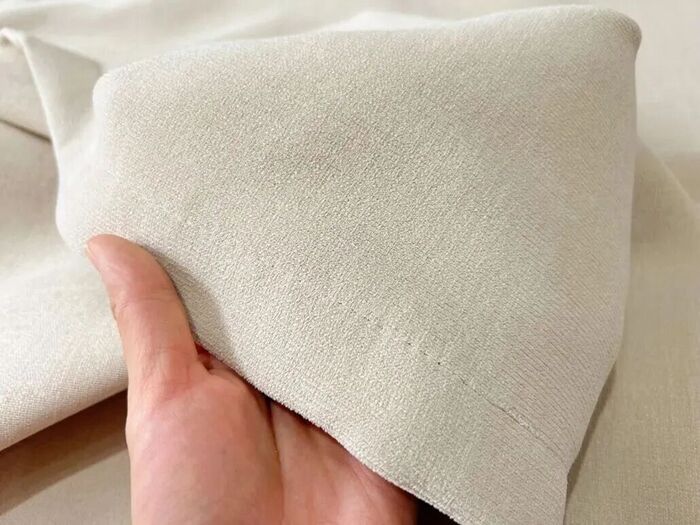
| ? Foulola #2613 Chenille (500GSM) | Excellent - Superior heat barrier | Excellent - Maximum insulation | ⭐⭐⭐⭐⭐ |
IV. Buying Advice Based on Your Real Needs
If you have severe afternoon sun exposure (west-facing windows)
1)Best choice: External roller blinds > Light-colored heavy fabric > Three-layer physical blackout curtain
2)Avoid: Dark colors (absorb heat), single-layer thin curtains
3)Tip: Choose white or light-colored curtain backing for better reflection
If you have cold drafts in winter
1)Best choice: Cellular shades > Quilted curtains > Thick velvet with thermal lining
2)Avoid: Single-layer, lightweight, open-weave fabrics
3)Tip: Add side guides or Velcro strips to the edges to reduce air leakage
If you want year-round performance without hassle
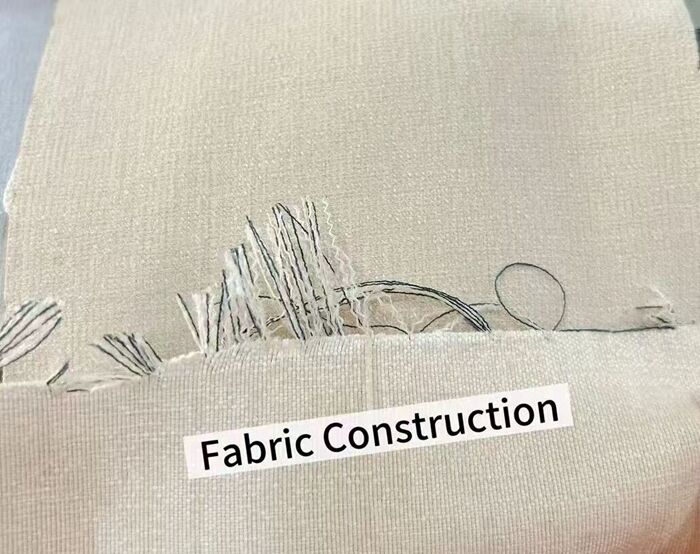
1)Best choice: Physical blackout fabric (three-layer woven) — no coating, no drafts, built-in air layer, keeps heat out in summer and warmth in winter, and is washable.
2)Second choice: High-density polyester with removable thermal lining (remove lining in summer, add in winter).
If you're on a tight budget and just want a small improvement
1)Summer: Add a white roller blind or venetian blind inside the glass to reflect heat.
2)Winter: Add a “thermal liner” behind your existing curtain (available online, installs with Velcro).
V. Frequently Asked Questions
Q: Between coated blackout fabric and physical blackout fabric, which provides better insulation?
A: In the short term, coated fabric has good reflectivity. But over the years, the coating will age and peel, reducing performance, and it’s not breathable. Physical blackout fabric has stable performance, is breathable, and washable — the better overall choice.
Q: Are cellular shades really that good?
A: Cellular shades are widely recognized as the best thermal performers among curtains. Their air-pocket structure is highly efficient. The downsides: higher cost and a modern look that may not suit all interior styles.
Q: How much money can thermal curtains save on my energy bills?
A: There’s no single answer, but a study by the U.S. Department of Energy found that properly using thermal curtains can reduce heat loss by 25% and lower summer cooling energy use by about 15%.
The savings over a year might just pay for the curtains themselves.
A Final Word
Curtains are not just fabric — they are part of your home’s building envelope. Choose wisely, and “cool in summer, warm in winter” is not magic — it’s physics.
At Foulola, we’ve seen countless real examples: a west-facing bedroom that could set the AC 2 degrees higher after switching to three-layer physical blackout curtains;
an old northern home where the window area finally became comfortable after adding a thermal liner.
If you’re unsure which thermal solution is right for your windows, feel free to send us a photo. With 25 years of experience, we might just help you save a lot on your energy bills.
➡ Request a Sample of #2613 Heavyweight Chenille Blackout Fabric