 EN
EN

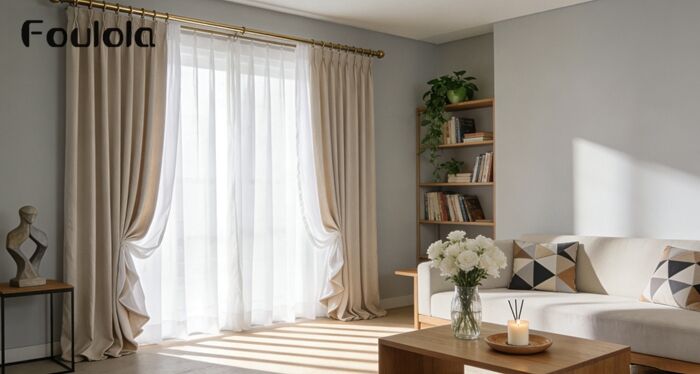
Да ли сте напослетку приметили да све више продаваца завеса игра картицу "еколошког доброг"?
"Без формалдехида", "безбедно за бебе", "рециклирана тканина"... све то звучи дивно. Али када погледате цене, не можете не питати: да ли је ово заиста еколошки чистије, или само фенки начин да се наплати више?
Данас ћемо разговарати о истини иза "еко-пријатељских завеса"што је стварна супстанца, шта је само хип, и како изабрати без плаћања за маркетиншке трикове.
I. Шта "Еко-пријатељски" заправо значи за завесе?
Прво, да разјаснимо једну ствар: "еко-пријатељски" није један индикатор, већ комбинација неколико фактора. Еколошка завеса за коју је вредно платити треба да се одликује најмање у следећих четири области:
1. у вези са Ниско ниво формалдехида / без формалдехида
Током производње, додаци који садрже формалдехид могу се користити како би се спречили брди, поправиле боје или побољшао осећај руке. Формалдехид је познат загађивач у затвореном простору. Дуготрајна излагање може иритирати респираторни систем.
изазивају алергије, а Светска здравствена организација га чак класификује као канцероген 1. групе.
Како изгледа еко-пријатељски : садржај формалдехида је знатно мањи од националних стандарда (ГБ 18401 поставља гранично ниво од ≤300mg/kg за завесе),
или чак достиже ниво "не откривен". Неки брендови настоје да се потврде да су "безбедни за бебе" са још строжијим стандардима.
2. Уколико је потребно. Нетоксичне боје / Еко-пријатељска боја
Традиционални процеси бојења могу користити боје које садрже тешке метале (као што су олово, жива, хром) или забрањене ароматске амине. Ове супстанце могу ући у тело путем контакта са кожом или летелица у ваздуху.
Како изгледа еко-пријатељски : Употреба еколошки прихватљивих реактивних боја или боја на биљној бази, сертификованих према међународним стандардима као што је ОЕКО-ТЕКС® Стандарт 100, осигурајући да нису присутне забране супстанце.
3. Уколико је потребно. Физичко зацрњавање / без премаза
Многе завесе за зацрњење ослањају се на слој "покрива" (акрилна смола или сребрна премаза) на леђима како би блокирале светлост. Током времена, посебно када је изложено топлоти, овај слој може да старе, лупа и ослобађа летљиве органске једињења (ВОЦ).
Како изгледа еко-пријатељски : "Физичка тканина за поцрњење"добијена кроз три слоја ткања са средњим слојем црног преткадобива почерњење без било каквог премаза. Он је еколошки прихватљив, дише се и чак се може перети.
4. Уколико је потребно. Рециклирани / Еко-пријатељски материјали
Из перспективе сировине, неке завесе користе рециклирани полиестер (израбоћен из пластичних боца итд.) или природне влакна (као што су органски памук, лен), смањујући зависност од нафте и утицаја на животну средину.
Како изгледа еко-пријатељски : Чиста композиција тканине, тражимоћи извор или сертификације као што је ГРС (Глобални рециклирани стандард).
II. Уговор Које тврдње о "еколошкој заштити" могу бити хип?
Тржиште "еколошких завеса" је пуно мешаних сигнала. Ево неколико сценарија на које треба да се побринете:
Хип 1: Тврдња да је "еколошко прихватљиво" без доказа
"Наше завесе су апсолутно еколошки чисте, верујте нам!" такве речи без доказа су само речи. Истинска еколошка пријатељство захтева извештаји о испитивањима да га подржи. Ако ниједан извештај није доступан, најбоље је бити скептичан.
Хајм 2: Коришћење "негативних јона" или "очистилаца ваздуха" као трик
Неки продавачи тврде да завесе могу "избавити негативне јоне" или "очистити формалдехид", а цене се расту. У стварности, не постоје ауторитетни стандарди који доказују да су ове функције ефикасне.
Уместо да се ослањате на завесе да би очистили ваздух, отварање прозора за вентилацију је много поузданије.
Трећа хипа: "Стандарди за испуњавање" као "еко-пријатељски"
Национални стандарди су "пролазна линија". Да их упознаш не значи да су одлични. Неки продавци продају производе као "еко-пријатељске" само зато што испуњавају основне стандарде,
када у ствари они једва пролазе. Истинска еколошка прихватљивост би требало да далеко превазиђе ове минимуме.
Хип 4: Замењивање "поправни" са "еко-пријатељски"
То што се може перети не значи да је еко-пријатељско. Неке покривене тканине за зацрњење се могу перети, али сама премаза можда није еколошки прихватљива. Разлика је јасна: еколошка пријатељност је о самог материјала , а не да ли се може перети.
III. Уговор Како да изаберете без плаћања за хип?
Уз горе наведено знање, пратите ове четири корака када купујете:
Корак 1: Тражите сертификацијеЗнајте ове логотипе
|
Сертификација |
Значење |
Вредност |
|
ОЕКО-ТЕКС® стандард 100 |
Најавторитативнији светски сертификат за еколошке текстиле, тестирање за преко 300 штетних супстанци |
⭐⭐⭐⭐⭐ |
|
Злато зеленог чувара |
UL сертификација усредсређена на квалитет ваздуха у затвореном простору, идеална за осетљиве особе |
⭐⭐⭐⭐⭐ |
|
ГРС (Глобални рециклирани стандард) |
Сертификује употребу рециклираних материјала и тражимо производњи производњи |
⭐⭐⭐⭐ |
|
ГБ 18401 |
Кинески основни стандард за безбедност; запамтите да ли испуњава "класу А" (безбедан за бебе) |
⭐⭐⭐ |
Напомена: Више сертификација не значи нужно боље. Један или два ауторитетна сертификата, један је довољан.
Корак 2: Замолите извештаје о тестовимаПроверите специфичне бројеве
Захтевајте извештаје о испитивањима од продавца, са фокусом на:
1)Садржај формалдехида : Нижи је бољи; "не откривен" је идеалан
2)Цветова чврстоћа : ниво 4 или већи за трајност
3)Тип премаза : На воденој или растворитељској бази?
Корак 3: Умиришите и тестирајте једноставним методама
Након што добијете узорку или готови производ:
1)Мирис да ли постоји неки оштри хемијски мирис? Квалитетне завесе скоро немају мирис.
2)Осећај да ли је осећај руке природан? Превише премазана тканина често се осећају круто
3)Пустите светлост : Држите фенерку телефона на леђима да бисте видели преношење светлости
Четири корака: Постављајте конкретна питањаВидите да ли продавац зна шта продаје
1) "Колико слојева има ткиво физичког поцрњења?"
2) "Како је специфичан садржај формалдехида? Могу ли видети извештај?"
Професионални продавци ће вам директно одговорити. Одухваљење? Знаш шта то значи.
ИВ. Фулола је еко-пријатељски
Пошто смо толико разговарали о томе, поделимо шта радимо у Фулоли:
1、Проактивно смањење формалдехида : Наше тканине су контролисане до садржаја формалдехида ≤75 мг/кг, далеко испод националног ограничења од 300 мг/кг. Не да не можемо да се понижемо, верујемо да дом треба да буде место безбожње.
2、Придржавање физичког губитка паметности ако можемо избећи премазивање, то ћемо. Наша тканина за физичко зацрњење користи три слоја тканине са црним средњим слојем - нема лепила, нема мириса, и може се перети. Кошта више, али је вредно тога.
3、Изради извештаја : Ако купци желе да их виде, можемо пружити извештаје о тестовима треће стране за сваку партију. Ми то не сматрамо проблемом, то је основна реакција на поверење.
4、Да будемо опрезни са "концепцијама" приступили су нам са идејама као што је "додајте функцију негативних јона", али без поуздане верификације, одлучили смо да не идемо за тим. Не да не желимо да продамо, не желимо да купци плаћају за нешто несигурно.
V. Последња реч
Еко-пријатељске завесе нису маркетиншка трика али такође не би требало да буду нешто што плаћаш само због фансијске етикете.
Истинска еколошка пријатељност треба да вам пружи јасноћу и мир у уму. То се може наћи у бројевима на извештајима о тестовима, у осећају тканине и вољи бренда да буде отворен и транспарентан.
Верујемо да је еко-пријатељство није маркетинг жаргон, то је избор. Избор да буде одговорна за своју породицу, и планету.
Следећи пут када бирате завесе, вредно је питати: "Имате ли извештаје о тестовима? Шта их чини еколошки чистим?"
То је почетак преузимања одговорности за себе.